

Quick answer
Arrive between 06:00 and 09:00 to capture Santorini's soft golden hour light and avoid mid-day cruise ship crowds at popular viewpoints. All public locations and viewpoints across the island offer free entry year-round, operating 24 hours daily. The high-contrast white architecture requires exposure compensation of +1 to +1.7 stops to prevent underexposed walls, while the intense Aegean sun creates harsh shadows between 11:00 and 15:00 that flatten the caldera's dramatic topography.
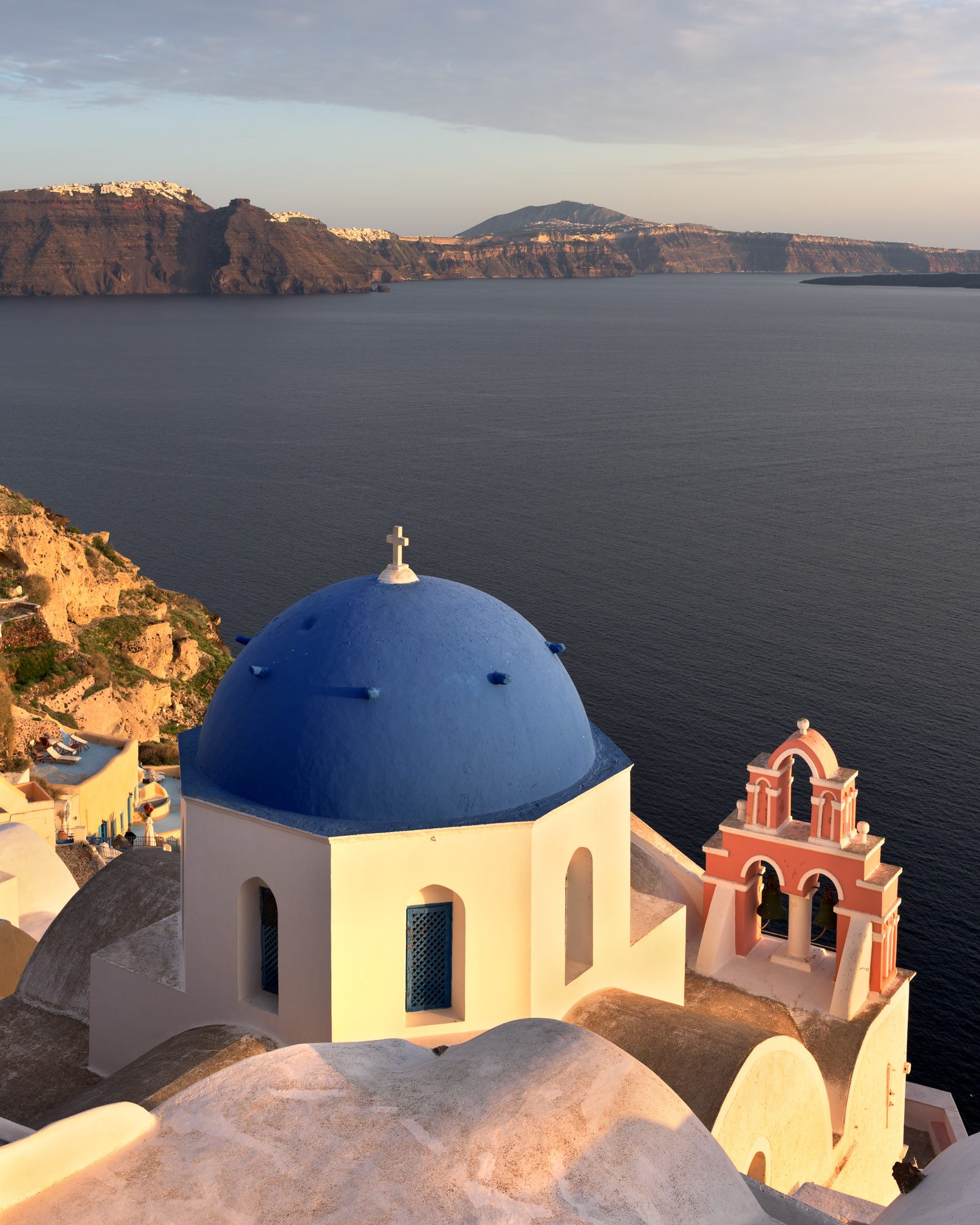
The Cycladic architecture of Santorini reflects roughly 85 percent of incoming light, a practical adaptation to the Mediterranean climate that creates a technical challenge for photographers. Standard metering systems read the brilliant white walls as overexposed and compensate by underexposing the frame, rendering the iconic buildings as flat gray. This santorini photography tips guide addresses the exposure triangle adjustments needed for accurate color reproduction in these high-reflectance conditions. The caldera rim stretches 12 kilometers from Oia in the north to Akrotiri in the south, offering consistent westward views across the volcanic basin. Morning light from 06:00 to 09:00 provides directional modeling that defines the cubic forms of traditional cave houses carved into the cliff face. The same viewpoints shift character entirely during evening golden hour, when warm light rakes across terraced neighborhoods and casts long shadows that emphasize the island's vertical geology. Between these windows, the overhead Mediterranean sun creates exposure ratios exceeding 8 stops between highlights and shadows, compressing detail in both white walls and dark doorways beyond most camera sensors' dynamic range. Blue-domed churches—the island's most photographed subjects—require deliberate white balance choices. The distinctive azure paint appears cyan under automatic white balance in direct sunlight, shifting cool by approximately 500 Kelvin. A custom white balance of 6000K to 6500K renders the domes closer to their visual appearance, though verifying color through the LCD in bright conditions remains difficult. The contrast between white plaster and blue paint also benefits from bracketed exposures, particularly when both elements occupy significant frame area. Capturing Santorini photography effectively means working within the island's natural light cycle rather than fighting it. The reliable 06:00 to 09:00 arrival window accommodates both sunrise sessions and calm morning exploration before ferry arrivals and tour groups concentrate at signature viewpoints. Most professional shoots on the island follow this same schedule, prioritizing the quality of light over the convenience of mid-day timing. The caldera's western orientation rewards photographers who return for evening sessions, though morning light offers greater flexibility for covering multiple locations across Fira, Firostefani, and Imerovigli before heat haze reduces distant clarity across the volcanic basin.
“The Cycladic architecture reflects roughly 85 percent of incoming light, requiring exposure compensation of +1 to +1.7 stops for accurate rendering.”
The Best Time for Santorini Photography Tips
The best arrival window for photography in Santorini is 06:00–09:00. This timeframe allows photographers to capture soft golden hour light while avoiding mid-day cruise ship crowds.
April, May, October
Moderate; fewer cruise shipsMild, 18°C–23°C; ideal for walking
These shoulder months offer temperate conditions and manageable foot traffic. Low light provides longer durations for composition.
June to September
Very high; heavy peak seasonHot, 25°C–30°C; clear blue skies
High temperatures and intense sunlight require early morning activity. Mid-day crowds significantly limit location access.
Weekday mornings
Minimal before 09:00—
Arrival between 06:00 and 09:00 is essential to bypass daily arrivals. Light quality remains soft and directional before the sun reaches its peak.
Verdict: For the most controlled environment, plan your session for weekday mornings during April or October, ensuring you are on location during the 06:00–09:00 window.
Essential Santorini Photography Tips for Iconic Viewpoints
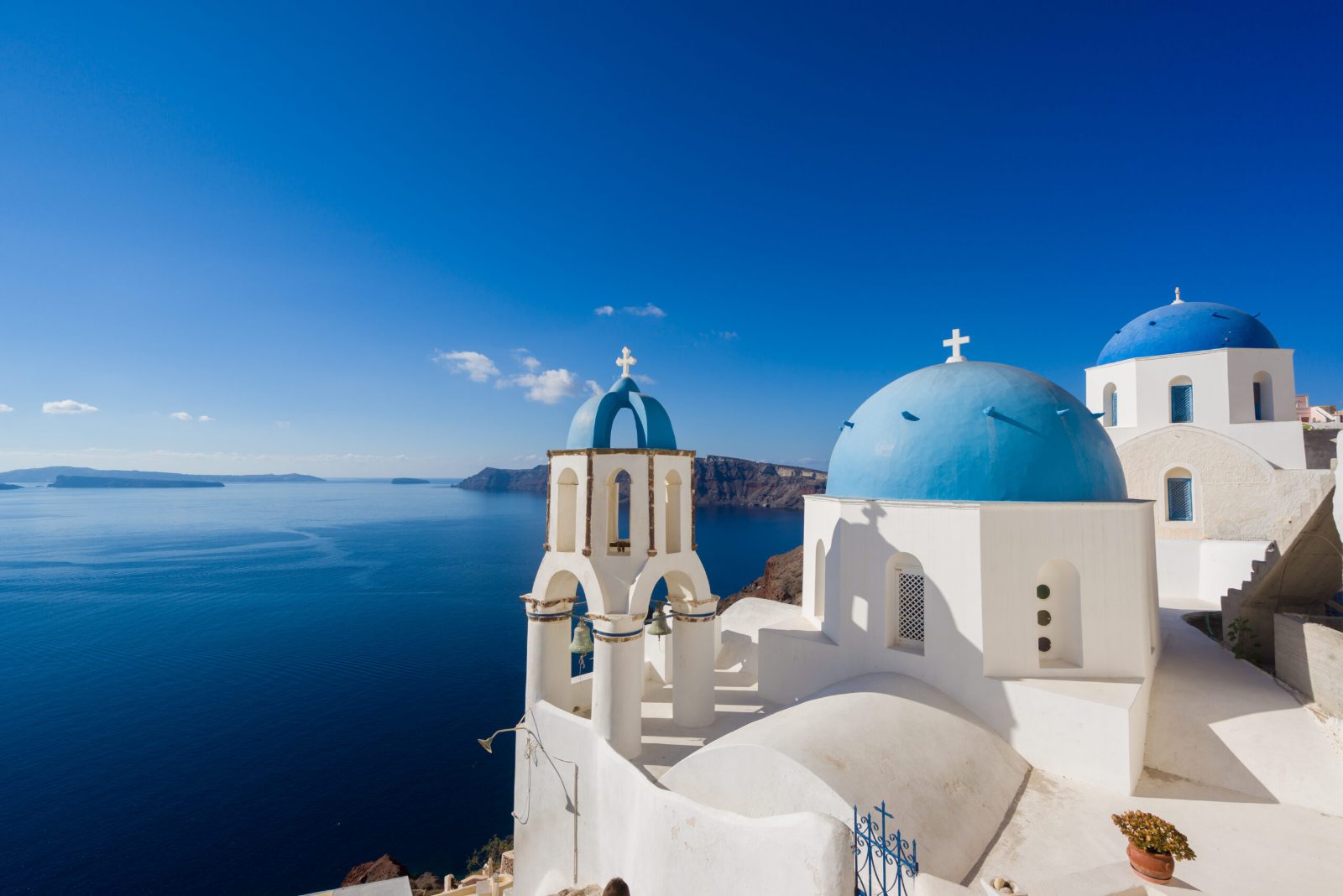
Oia Blue Domes
Position your camera at the northern end of the main marble path to frame the three domes against the Aegean Sea.
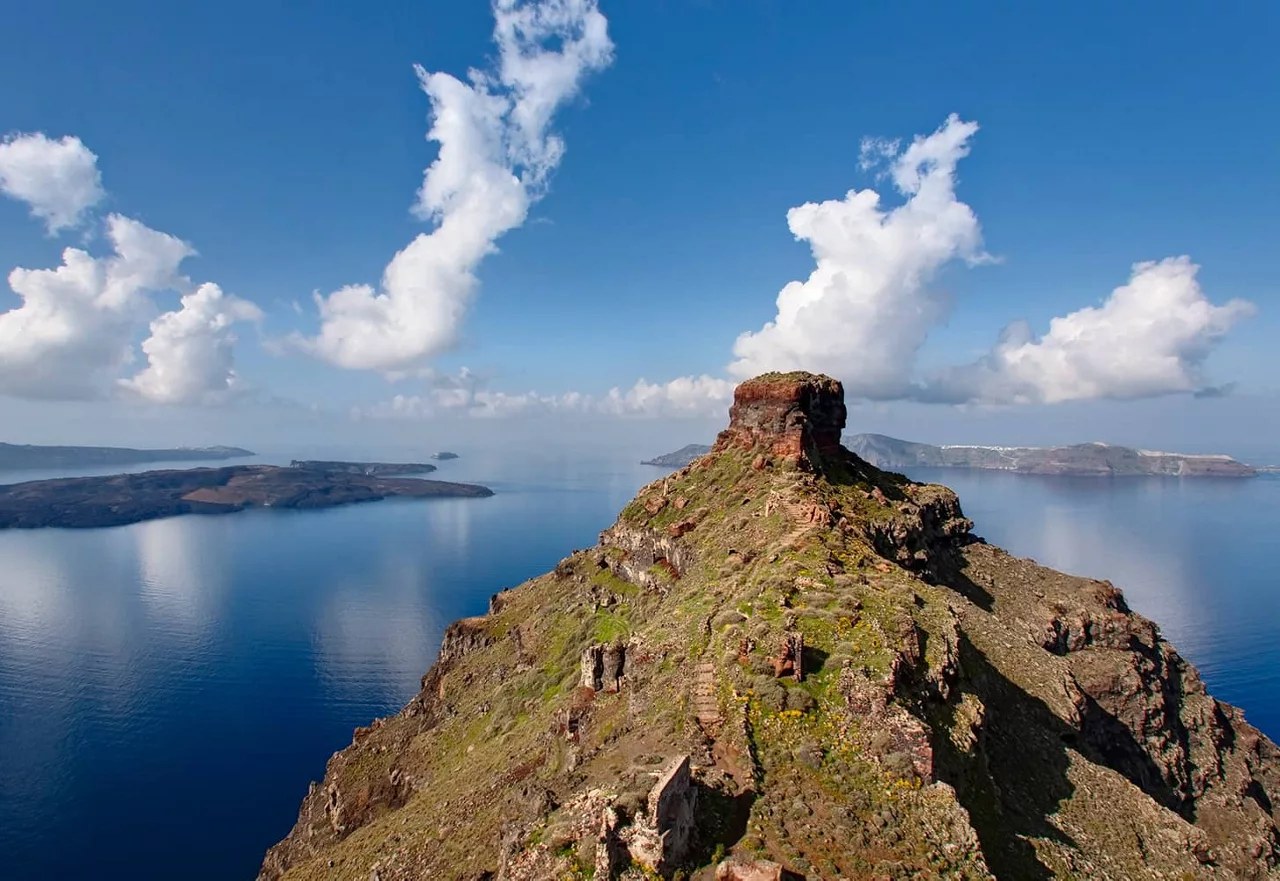
Skaros Rock
Capture the jagged volcanic formation from the Imerovigli walking path, focusing on the winding trail leading toward the headland.
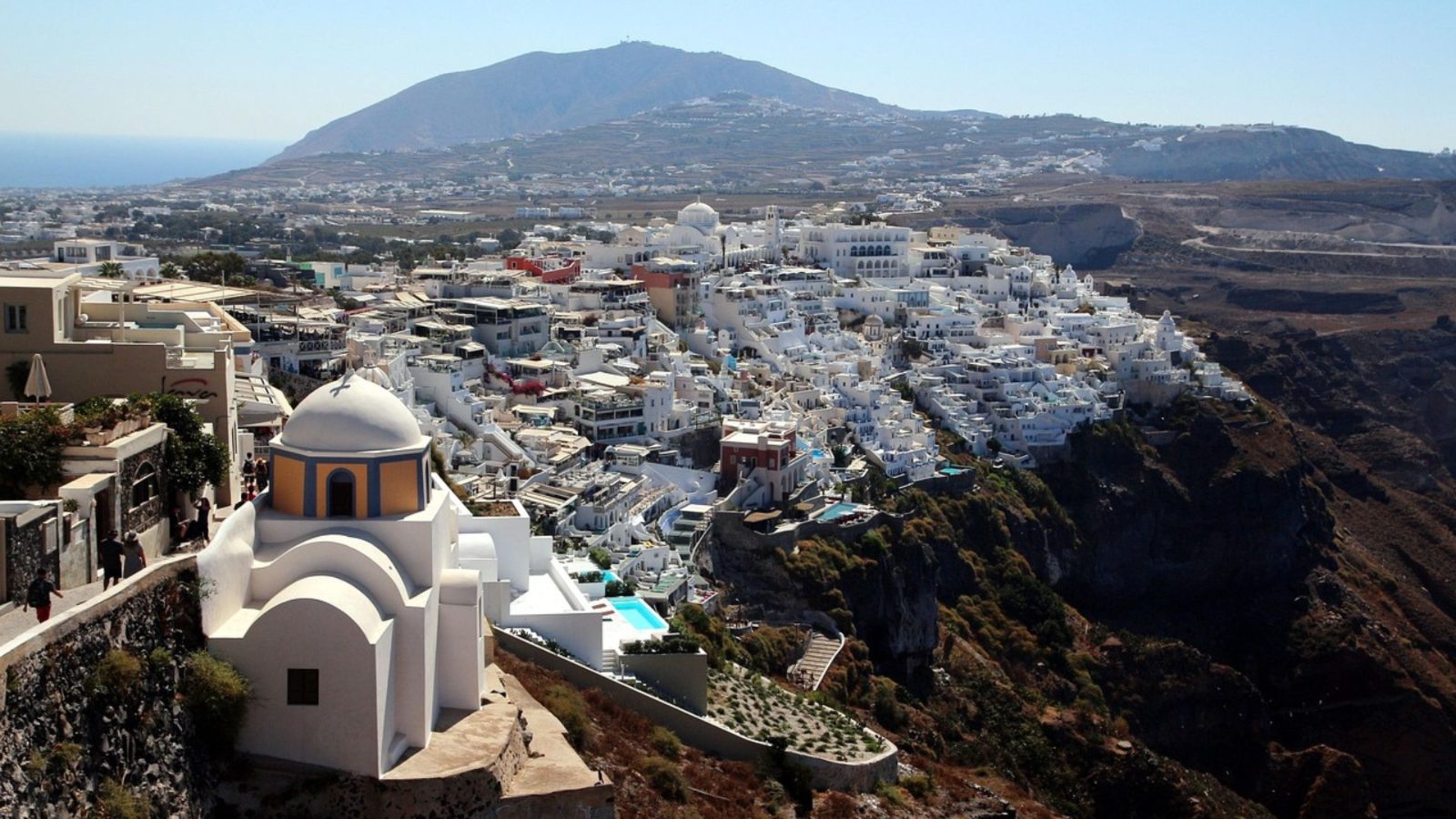
Fira Caldera Cliffs
Shoot from the pedestrian walkway connecting Fira to Firostefani to include the whitewashed buildings perched on the cliff edge.
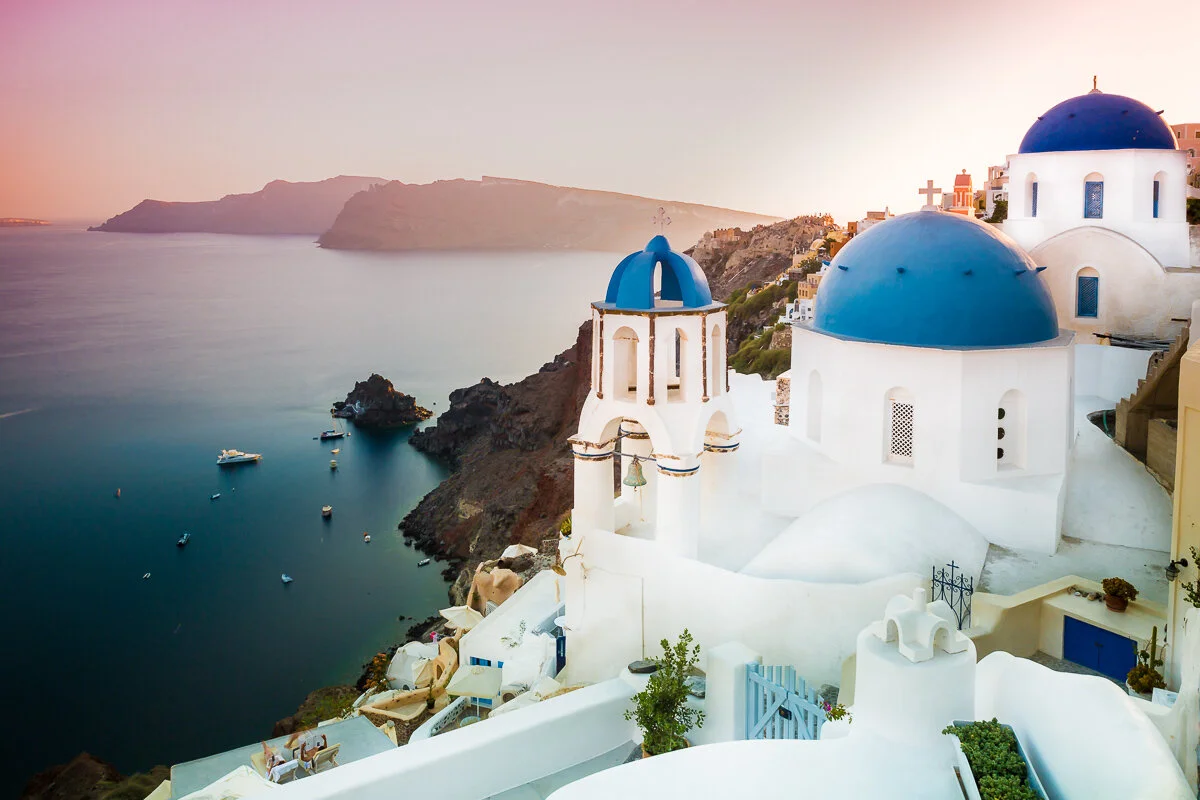
Three Bells of Fira
Frame the iconic blue-domed church with the caldera in the background from the elevated viewpoint along the main road.
Respectful Santorini Photography Tips and Etiquette
Santorini's whitewashed villages are home to year-round residents who navigate daily life alongside thousands of visitors. Respecting private property and local customs ensures photographers can work without disrupting the island's communities.
Do
- Stay on public pathways and marked viewpoints
- Ask permission before photographing locals or private courtyards
- Step aside to let residents pass on narrow lanes
- Support local businesses when using their terraces for shots
- Keep noise levels low in residential areas
- Clean up any equipment or props you bring
Don't
- Climb onto private roofs, walls, or balconies for elevated angles
- Block doorways, driveways, or business entrances while shooting
- Enter unmarked courtyards or gated properties without permission
- Photograph inside churches during services or prayer times
- Leave tripods unattended on crowded footpaths
- Fly drones near clifftop villages without proper permits
Practical Santorini Photography Tips for Your Portfolio
Mastering the unique lighting and high-contrast architecture of Santorini requires specific technical adjustments to your gear and settings.
Polarizer filter necessity
Use a circular polarizer to cut glare from the reflective white walls and intensify the deep blue of the Aegean Sea. This reduces harsh highlights that often blow out in sensor data during mid-day conditions.
Managing extreme contrast
The stark contrast between whitewashed buildings and dark volcanic rock often leads to underexposed shadows or clipped highlights. Shoot in RAW format to recover detail in both extremes during post-processing.
Aperture control for sharpness
Maintain an aperture between f/8 and f/11 to ensure maximum depth of field for expansive caldera vistas. Avoid smaller apertures to prevent diffraction, which can soften the fine architectural details of the local domes.
White balance calibration
The high reflectivity of white structures often causes cameras to lean toward cool, blue-tinted shadows. Set a custom white balance or shoot in Kelvin mode to ensure neutral tones on the masonry.
Sensor dust management
The island environment is often windy and dusty, which shows up clearly against bright sky backgrounds. Carry a sensor cleaning kit or a rocket blower to remove debris between shooting locations.
Check availability
Frequently asked questions about santorini photography tips
Everything you need to know about santorini photography tips